
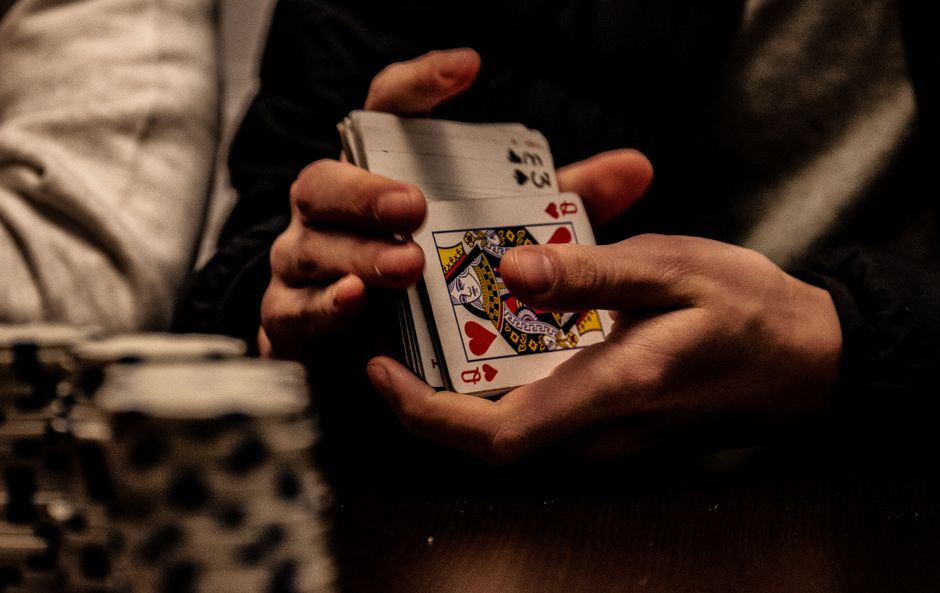
The Realities of iGaming: Beyond the Glitz and Glamour
You've seen the flashy ads: a smiling twenty-something wins a life-changing jackpot on a slot machine, or a poker pro outbluffs a celebrity on national TV. The iGaming industry loves a good story. But behind the neon lights and confetti, there's a complex, data-driven ecosystem that rewards discipline, math, and a clear understanding of how the games actually work. Whether you're spinning slots for fun, grinding micro-stakes poker, or trying to beat the closing line on a football match, the difference between a recreational player and a long-term winner often comes down to three things: education, bankroll management, and emotional control. Let's cut through the hype and talk about what really matters.
The House Edge: Your Silent Opponent
Every casino game, every sports bet, and every lottery ticket is built on a mathematical advantage for the operator. That's not a conspiracy; it's the business model. The house edge is the percentage of each bet that the casino expects to keep over the long run. For European roulette, it's 2.7%. For American roulette (with the double zero), it's 5.26%. For a standard 3-reel slot, it can range from 2% to 15%, depending on the game and the jurisdiction. Online slots, especially modern video slots with high volatility, often have a return-to-player (RTP) between 94% and 97%, meaning the house edge is 3% to 6%. Blackjack, played with basic strategy, can have a house edge as low as 0.5%. Poker is different: you're not playing against the house, but the rake (commission) still takes a slice of every pot. This is explained well on สล็อตเว็บตรง.
Why does this matter? Because understanding the house edge tells you which games give you the best shot and how long your money is likely to last. If you play a game with a 5% house edge, you'll lose your entire bankroll in the long run—unless you get lucky in the short term. The key is to treat gambling as entertainment, not an investment. If you're playing for fun, the house edge is the price of admission. If you're trying to win, you need to find games where your skill can overcome that edge—like poker or sports betting.
Slots: Not All Spins Are Created Equal
Slots are the undisputed king of the casino floor, both online and off. They're simple, visually stimulating, and require no strategy. But that simplicity hides a lot of variation. Not all slots are the same, and choosing the right one can significantly impact your playtime and potential payout.
- Volatility: Low-volatility slots pay out small amounts frequently. High-volatility slots pay out rarely but can be huge. If you have a small bankroll, low volatility is your friend. If you're chasing a big win, high volatility might be for you—but be prepared for dry spells.
- RTP (Return to Player): This is the theoretical percentage of all wagered money that a slot will pay back over millions of spins. An RTP of 96% is decent; 97% is good; 98%+ is excellent. Always check the RTP before you play. It's often listed in the game's help menu or on the casino's website.
- Jackpots: Progressive jackpots can reach millions, but the house edge is usually higher to fund the prize pool. Don't chase jackpots with money you can't afford to lose.
One practical tip: many online casinos offer free play or demo mode. Use it to test a slot's volatility and features before risking real money. Also, look for slots with bonus features like free spins, expanding wilds, or multipliers—they can extend your playtime and increase your chances of a big hit.
Poker: Where Skill Beats Luck
Poker is the only casino game where you play against other players, not the house. That means a skilled player can consistently win over time. But skill in poker isn't about bluffing every hand or making hero calls. It's about math, psychology, and discipline.
Start with the fundamentals: hand selection. In Texas Hold'em, premium hands like AA, KK, QQ, AK are strong, but you can't play every hand. Position at the table matters enormously. Acting last gives you more information, allowing you to play more hands profitably. Bankroll management is critical: a common rule is to have at least 20 buy-ins for the stakes you play. If you're playing $1/$2 no-limit, you should have at least $4,000 dedicated to poker. That might sound like a lot, but it protects you from the natural swings of the game.
Another key concept is pot odds. If you have a flush draw on the turn, you have roughly 19% chance to hit on the river. If the pot is $100 and your opponent bets $20, you're getting 6-to-1 odds, which is better than the 4-to-1 odds against hitting your flush. That's a profitable call. But if the bet is $50, you're getting 3-to-1, which is not enough. This is basic math, but many players ignore it. Study, practice, and review your hands. Online poker offers tools like trackers and HUDs (heads-up displays) that can help, but even without them, a solid understanding of odds and position will put you ahead of most recreational players.
Sports Betting: The War Against the Closing Line
Sports betting is booming, especially in the US after the repeal of PASPA. But most bettors lose. Why? Because they bet with their hearts, not their heads. The sportsbook sets odds that include a margin (the vig or juice). For a typical point spread bet, you have to risk $110 to win $100. That means you need to win 52.4% of your bets just to break even. That's a high bar.
To be successful, you need to find value—bets where the true probability of an outcome is higher than the implied probability of the odds. This is easier said than done. Sharp bettors use statistical models, injury reports, weather data, and line movement to identify edges. They also specialize in niche markets where the bookmakers might be less efficient, like lower-tier soccer leagues, esports, or player props. If you're a casual bettor, focus on one or two leagues you know well. Don't chase losses. And always shop for the best line: a half-point difference in the spread can be the difference between a win and a push.
Another tip: track your bets. A simple spreadsheet with date, event, bet type, odds, stake, and result will show you where you're winning and losing. You might discover that you're profitable on underdogs but terrible on parlays. Data doesn't lie.
Bankroll Management: The Unsexy Skill That Matters Most
You can be the best poker player in the world, but if you bet your rent money on a single hand, you're a losing player. Bankroll management is the foundation of long-term success in any form of gambling. Here are the core principles:
- Separate your bankroll: Never mix gambling money with money for bills, savings, or emergencies. Consider it an entertainment budget.
- Set limits: Decide in advance how much you're willing to lose in a session, a week, or a month. When you hit that limit, stop.
- Bet small: A common rule for slots is to bet no more than 1-2% of your bankroll per spin. For poker, 5% per buy-in. For sports betting, 1-2% per bet.
- Don't chase losses: Increasing your bet size to win back what you've lost is the fastest way to go broke. The games don't owe you anything.
- Take breaks: Gambling can be emotionally draining. Step away, especially after a big win or loss.
Online casinos and sportsbooks offer tools like deposit limits, loss limits, and self-exclusion. Use them. They're there to protect you from yourself.
The Future of iGaming: What's Next?
The iGaming industry is evolving fast. Cryptocurrencies are enabling faster transactions and provably fair games. Virtual reality is starting to appear in online casinos, offering immersive experiences. And in the US, more states are legalizing online sports betting and casino games, creating a patchwork of regulations. For players, this means more choice but also more responsibility. Always play at licensed, regulated sites. Check the terms and conditions, especially for bonuses. A 100% match bonus with a 40x wagering requirement is very different from one with 20x. Read the fine print.
Ultimately, iGaming is a form of entertainment. The house always has an edge, and the vast majority of players will lose money over time. But if you educate yourself, manage your bankroll, and play for fun, you can enjoy the thrill without the regret. The best players are the ones who know when to walk away.
tag: iGaming

Eleanor Bramley Author
Clay holds moisture well, so select species such as ox-eye daisy and knapweed that tolerate heavy ground without drowning in winter.
YOU MAY ALSO LIKE

Choosing the Right Seed Mix for Clay Soil
Sep 21
10Autumn planting lets roots establish before frost, giving spring seedlings a stronger start in open ground and fewer weeds.
read more
Preparing Ground for Meadow Sowing in Autumn
Sep 15
10Learn to identify ox-eye daisies, red clover, and yellow rattle by leaf shape, flower form, and habitat on your local patch.
read moreMeadow Making
-

ERRIC CATONA
This semi-parasitic annual reduces vigorous grasses, making room for delicate wildflowers in a new meadow. Sow it fresh in autumn.
May 19, 2016 at 5.12 pm
Reply
ERRIC CATONA
Wait for dry seed heads, collect on a sunny afternoon, and store in paper bags away from damp.
May 19, 2016 at 5.12 pm
Reply -
ERRIC CATONA
Crested dogstail, sweet vernal grass, and meadow foxtail offer structure and food for insects without dominating a small plot.
May 19, 2016 at 5.12 pm
Reply
Wildflowers
Your email address will not be published.