
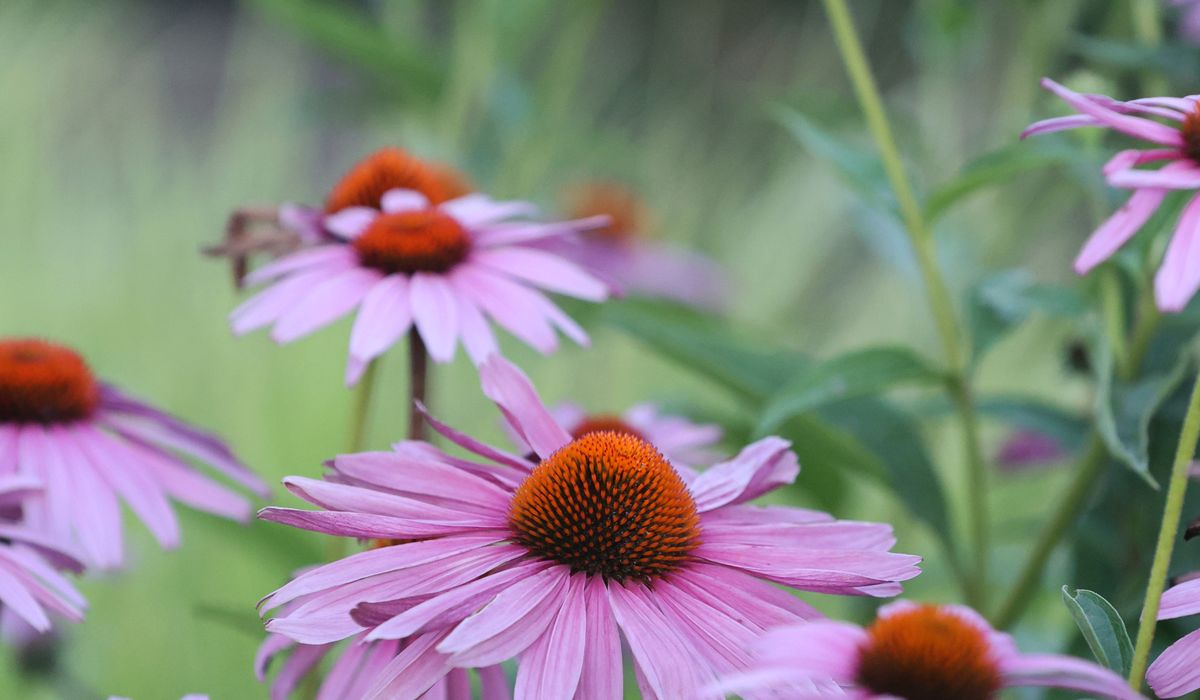
Autumn Cutting and Clearing for Wildflower Plots
Why Cutting Matters More Than Sowing
Every wildflower plot I have ever visited that failed had one thing in common: nobody cut it. Sowing is the glamorous part — the seed mix, the dreaming, the first flush of ox-eye daisies. Cutting is the chore that decides whether you still have a meadow in three years' time or a monoculture of cocksfoot and nettles. On fertile British soils, grasses are bullies. Leave them standing through winter and they will collapse, mat down, smother the rosettes beneath and quietly lock up the light your wildflowers need next spring. Late summer or early autumn cutting is the single most powerful tool you have.
The principle is simple: hay meadows are made by removing growth, not adding to it. Every cut-and-clear reduces soil fertility slightly, which is exactly what wildflowers want. Rich soil grows rank grass. Lean soil grows flowers.
Reading the Meadow: When to Cut
For most established wildflower areas in the UK, the window runs from mid-August to late September. The signal is not the calendar but the plants themselves. Wait until the majority of your flowers have set and shed seed — knapweed going brown at the edges, ox-eye daisies looking tired and papery, yellow rattle rattling when you shake it. Once that seed is on the ground, the cut does no harm and plenty of good.
- Traditional hay meadows: cut from mid-July onwards if you want hay, though many gardeners delay to late August to let seed drop.
- Newly sown plots: in the first year, cut more often — a summer cut in June or July keeps annual weeds from seeding, then a second cut in autumn.
- Damp or heavy clay sites: cut later, into September, and be prepared for rushes and tufted hair-grass to need a second pass.
- Very diverse or orchid-rich areas: hold off until early September and check for late-flowering species before you start.
Whatever you choose, aim for consistency. The same rough timing each year builds a predictable rhythm that perennial wildflowers and their attendant insects come to rely on.
Tools and Technique for a Clean Cut
You do not need a tractor. A brushcutter, a rotary mower with a collector, a scythe, or even a pair of long-handled shears on a tiny patch will all do the job. What matters is the height. Set your blade or deck to leave 5–10cm (2–4 inches) of stubble. Scalping to the soil leaves bare ground that annual weeds will fill, and it exposes the crowns of your perennials to frost.
Cut from the middle of the plot outwards, or from one end in strips, so that any wildlife in the grass — frogs, slow worms, field mice, the occasional hibernating hedgehog — has somewhere to escape. A first high pass with a strimmer gives creatures a chance to move before you go lower. Take your time. This is not a lawn, and a slightly ragged finish is part of the charm.
Clearing the Cuttings — The Bit Nobody Wants to Do
Here is where most wildflower plots quietly fail. Cutting without clearing simply mulches the meadow, returning every nutrient you wanted to remove and flattening the rosettes below.
Leave the cut material lying in the sun for two or three days so seed can shed back into the sward, then rake or collect it. On a small plot, a spring-tine rake and a tarpaulin are enough. On larger areas, a mower with a collector or a scarifier attachment saves your back.
- Good uses: compost heap, mulch under shrubs and fruit bushes, or a wildlife pile in a corner.
- Poor uses: leaving it where it falls, spreading it on the wildflower area, or adding it to a compost you plan to spread back on the meadow.
- If you keep livestock or have a neighbour who does, a late cut can still make decent hay — though wildflower hay is usually coarse and best kept for bedding.
Leave Room for Wildlife: Uncut Strips and Seed Heads
A meadow cut wall-to-wall in September is tidy, and tidy is not the same as good. Leave 20–30% of the plot uncut each year, and rotate which part you leave so no single patch becomes scrub.
Uncut areas do three jobs at once. They hold seed heads — teasel, knapweed, teasel, bird's-foot trefoil — that feed finches and goldfinches through the winter. They provide tussocky shelter where invertebrates, amphibians and small mammals overwinter. And they give structure to a plot that would otherwise look brutally bare by November. A south-facing edge left long is worth a great deal to butterflies and bees emerging early the following spring.
After the Cut: Scarifying, Overseeding and Winter Rest
Once the cuttings are off, look at what is left. If the sward is thick and mossy, a light scarify with a rake or a mechanical scarifier opens the surface and lets seed make contact with soil. This is the ideal moment to sow yellow rattle, which needs cold winter weather to germinate and will do more than anything else to thin out your grasses. Scatter it thinly and tread it in.
Autumn is also a good time to patch in plug plants or overseed with a native mix suited to your soil — but only where you can see bare ground. Broadcasting seed onto dense stubble is money wasted.
Then step back and let the plot rest. Resist the urge to tidy further. Frost and rain will break down the stubble, the seed heads you left standing will feed the birds, and by next June the whole thing will be taller, looser and more full of life than it was this year. That is the quiet reward of a job done properly in autumn.
tag: Seasonal Care

Michael Thorne Author
Leave undisturbed corners, provide shallow water, and choose open flowers that offer nectar through the growing season for pollinators.
YOU MAY ALSO LIKE
Encouraging Bees and Butterflies to Your Meadow
Aug 1
10Use old canes, hollow stems, and loose bark to create overwintering spots for solitary bees and beetles in a quiet corner.
read more
Building a Simple Bug Hotel from Garden Waste
Jul 28
10A mixed native hedge offers food, nesting sites, and safe passage for birds, small mammals, and insects across the countryside.
read moreMeadow Making
-

ERRIC CATONA
Choose a short circular route, check the weather, and pack water, a map, and sturdy shoes before setting out.
May 19, 2016 at 5.12 pm
Reply
ERRIC CATONA
Know the difference between public footpaths, bridleways, and open access land to walk responsibly in Britain and avoid conflicts.
May 19, 2016 at 5.12 pm
Reply -
ERRIC CATONA
Listen for skylarks, meadow pipits, and yellowhammers while walking quietly along field edges at dawn in spring and summer.
May 19, 2016 at 5.12 pm
Reply
Wildflowers
Your email address will not be published.