
Choosing the Right Seed Mix for Clay Soil
Why Clay Soil Is Both a Challenge and an Opportunity
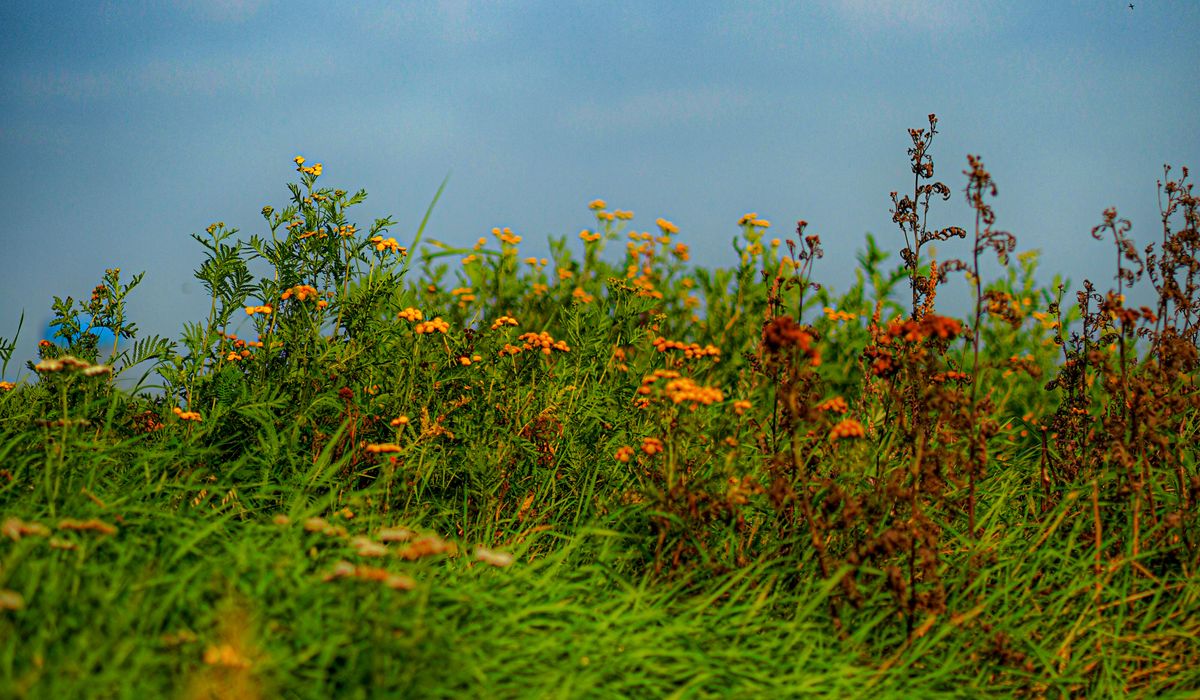
If you garden on clay, you will know the feeling. In winter the ground squelches underfoot and the spade comes up with a heavy, grey-brown clod. In summer it bakes into something closer to brick. It is easy to curse clay, but it is one of our most fertile and widespread soil types, and with the right species it can carry a wildflower meadow of real beauty.
The key is moisture. Clay particles are tiny and hold water and nutrients far better than sand or chalk. That is wonderful for growth, but it means the soil stays cold and wet well into spring, and any plant that resents sitting in water will simply rot. Choose species that evolved on heavy, damp ground and you are halfway to success.
Reading Your Ground Before You Sow
Not all clay behaves the same way. Take a little time to understand what you are working with before you order seed.
- Drainage test: dig a hole roughly 30cm deep and wide, fill it with water and let it drain. Refill it and time how long that second fill takes to disappear. A few hours suggests workable clay; several days means genuinely waterlogged ground.
- Depth of topsoil: heavy clay subsoil close to the surface is far harder to establish than deep, previously worked clay.
- Existing vegetation: perennial ryegrass, creeping buttercup and docks will outcompete young wildflowers. They need dealing with first.
- Winter water table: note where puddles linger. Those hollows are ideal for damp-loving species such as meadowsweet and ragged robin.
Do not try to turn clay into something it is not. Adding grit and well-rotted organic matter improves structure, but wildflowers do not want rich, fluffy soil. Low fertility is your friend, so resist the urge to feed the ground.
The Species That Thrive on Heavy Ground
Some of our loveliest native plants are perfectly at home on clay. Build your mix around these and you will not be fighting the soil.
- Ox-eye daisy (Leucanthemum vulgare): the classic meadow white, tolerant of heavy ground and quick to establish.
- Common knapweed (Centaurea nigra): thistle-like purple flowers from June to September and a magnet for bees and butterflies.
- Greater knapweed (Centaurea scabiosa): larger and showier, happy on clay that is not waterlogged all winter.
- Meadow buttercup (Ranunculus acris): reliable, cheerful and content in damp ground.
- Cowslip (Primula veris): spring gold that copes well with heavier soils.
- Selfheal (Prunella vulgaris): low-growing and useful for filling gaps at the front of a meadow.
- Lady's bedstraw (Galium verum): frothy yellow and fragrant, best on the drier patches.
- Tufted vetch (Vicia cracca) and meadow vetchling (Lathyrus pratensis): scrambling legumes that fix nitrogen and feed bumblebees.
- Betony (Stachys officinalis) and devil's-bit scabious (Succisa pratensis): both tolerate clay and flower late, extending the season into autumn.
- Sneezewort (Achillea ptarmica): dainty white buttons for the damper corners.
For the wettest spots, add meadowsweet (Filipendula ulmaria), ragged robin (Lychnis flos-cuculi) and purple loosestrife (Lythrum salicaria). They will thank you for the moisture, and they look magnificent together in high summer.
Grasses, Yellow Rattle and Getting the Balance Right
A wildflower meadow is roughly half grass, and the grasses matter as much as the flowers. On clay, choose crested dog's-tail (Cynosurus cristatus), red fescue (Festuca rubra) and smooth-stalked meadow grass (Poa pratensis). These form a fine, open sward rather than the thick mat of agricultural ryegrass. Tufted hairgrass (Deschampsia cespitosa) will cope with the heaviest, wettest clay, though it can look a little coarse.
If there is one plant that transforms a clay meadow, it is yellow rattle (Rhinanthus minor). This annual parasitises grass roots, weakening the grasses and opening space for wildflowers. On fertile clay it is close to essential. Sow it in late summer or early autumn, after the grasses have germinated, and let it set seed before you cut. It usually needs a season or two to settle in, but once it does, the flowers will repay you.
What to Leave Out of Your Mix
Many popular wildflower mixes are blended for chalk or sandy ground, and they will disappoint on clay. Be cautious with species that demand sharp drainage. Wild thyme, salad burnet, harebell, kidney vetch, field scabious and yellow-wort are all lovely, but they will sulk, rot or vanish over winter on heavy ground. Good seed merchants label mixes by soil type, so look for a "clay" or "heavy soil" blend rather than a general-purpose one.
It is also worth avoiding mixes padded out with vigorous agricultural grasses or cornfield annuals such as corn cockle and cornflower. They give a brilliant first-year display, but they are not a meadow and they will disappear, leaving you with bare patches.
Sowing, Establishment and Aftercare
On clay, timing matters more than on any other soil. Early autumn, from early September to mid-October, is usually best. The soil is still warm, rain is reliable and seedlings can root before winter. Avoid sowing into waterlogged ground in November or December, when seed is liable to rot. Spring sowing from March to April can work, but you may need to water if the weather turns dry.
- Clear existing vegetation thoroughly. On clay this may mean repeated cultivation or a season of smothering with black plastic.
- Create a rough, firm tilth rather than a fine, powdery one. Clay caps easily, and a panelled surface sheds water and smothers seedlings.
- Sow at the rate recommended for your mix, usually around 2 to 4g per square metre. Mix the seed with sand or dry compost to spread it evenly.
- Tread or roll the seed in lightly so it makes contact with the soil. Do not bury it deeply.
- In the first year, cut regularly to about 7cm and remove the cuttings. This controls weeds and stops the sward thickening.
- From the second year, cut once in late summer after flowering, then again in autumn if growth is strong. Always remove the hay.
Be patient. Clay meadows can look thin and unpromising in their first summer, then fill out beautifully in their second or third year. The reward is a patch of countryside that suits your soil rather than fighting it, buzzing with life and needing far less watering than any border you could plant.
tag: Meadow Making

Graham Whitaker Author
Autumn planting lets roots establish before frost, giving spring seedlings a stronger start in open ground and fewer weeds.
YOU MAY ALSO LIKE
Preparing Ground for Meadow Sowing in Autumn
Sep 15
10Learn to identify ox-eye daisies, red clover, and yellow rattle by leaf shape, flower form, and habitat on your local patch.
read more
Spotting Common Wildflowers on a Summer Walk
Sep 9
10This semi-parasitic annual reduces vigorous grasses, making room for delicate wildflowers in a new meadow. Sow it fresh in autumn.
read moreMeadow Making
-

ERRIC CATONA
Wait for dry seed heads, collect on a sunny afternoon, and store in paper bags away from damp.
May 19, 2016 at 5.12 pm
Reply
ERRIC CATONA
Crested dogstail, sweet vernal grass, and meadow foxtail offer structure and food for insects without dominating a small plot.
May 19, 2016 at 5.12 pm
Reply -
ERRIC CATONA
Snowdrops, snakeshead fritillary, and wild garlic bring life to damp corners before trees fully leaf in spring each year.
May 19, 2016 at 5.12 pm
Reply
Wildflowers
Your email address will not be published.