
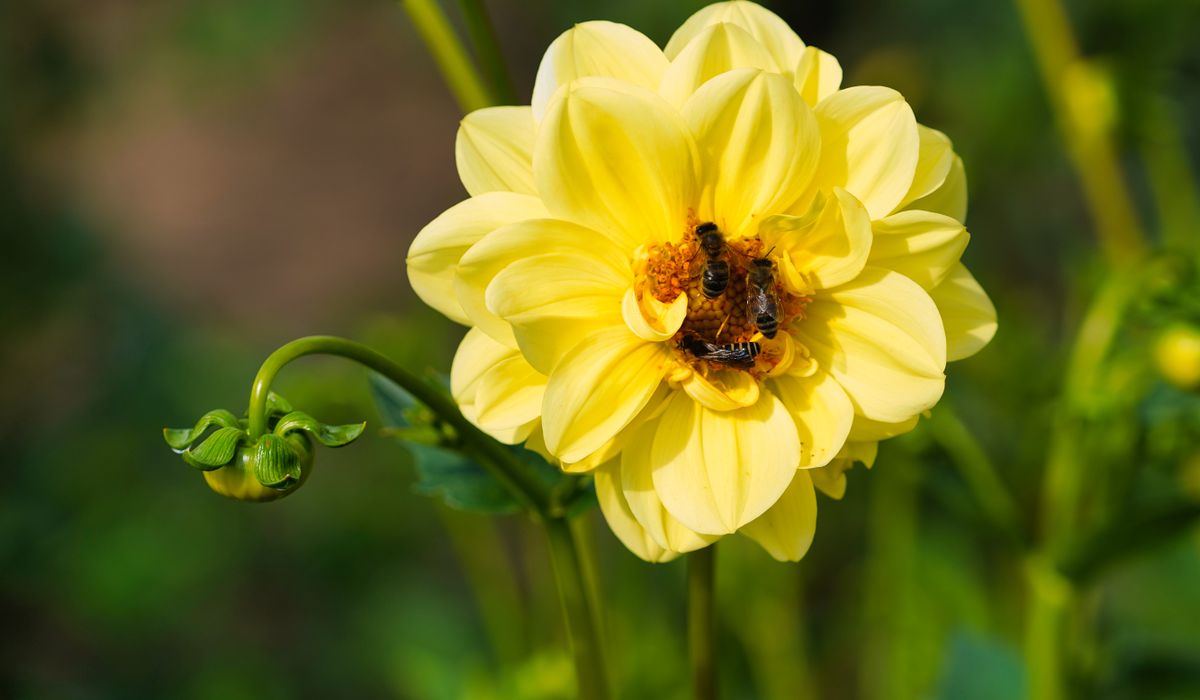
Managing a Small Paddock with Wildlife in Mind
Why a Small Paddock Matters More Than You Think
A paddock of an acre or two can be a surprising haven for wildlife, especially if it sits next to a hedge, a stream or a patch of ancient woodland. Modern farmland has lost the rough, scruffy edges that insects, birds and wildflowers depend on, so the way you manage even a modest field can make a real difference. The good news is that wildlife-friendly grazing rarely means doing nothing. It means doing things at the right time, in the right places, and leaving some areas deliberately untidy.
The guiding principle is simple: variety. A paddock that is grazed evenly to a uniform height all year round will support far less life than one with tall tussocks, short cropped patches, bare ground and scrubby corners. Your job is to create that mosaic across the seasons.
Rotate Grazing Rather Than Set-Stocking
If you keep ponies, sheep, goats or a few cattle, rotation is the single most valuable habit you can adopt. Divide the paddock into two, three or four sections using lightweight electric fencing, and move the animals every two to four weeks depending on the season and the ground conditions.
- Spring: hold off grazing until the grass has had a chance to grow and wildflowers such as cowslip and buttercup have set seed. A late start protects the earliest nectar sources for bumblebee queens emerging from hibernation.
- Summer: graze paddocks in rotation, aiming to leave a sward height of around 8–10cm rather than a bowling green. Taller grass shelters frogs, voles and the caterpillars of meadow browns and ringlets.
- Autumn: this is when you can graze harder, knocking back the rank growth and opening up the sward. Traditional hay meadows were shut up in spring and cut or grazed from late summer, and mimicking that rhythm suits wildflowers well.
- Winter: rest the wettest areas entirely. Poaching damages soil structure and favours docks and thistles over finer grasses and wildflowers.
If you have no livestock, consider borrowing a few sheep or hiring a local grazier. If that is impossible, a annual cut with a scythe or brushcutter, with the cuttings raked off, will do much of the same job. Removing the cuttings is crucial: leaving them smothers the plants underneath and feeds the soil too richly.
Leave Rough Margins and Awkward Corners
Rough margins are the cheapest wildlife habitat you will ever create, because they cost nothing but a decision. Leave a strip of unmown, ungrazed vegetation 1–2 metres wide along hedgerows, fence lines and ditches, and simply do not touch it between April and September.
These margins act as corridors, letting insects, small mammals and reptiles move between the paddock and the wider landscape. They also shelter the hedge base, where birds such as dunnocks, wrens and yellowhammers nest and feed. If you can leave one corner to grow into brambles and nettles, so much the better. Nettles are the larval food plant of peacock, small tortoiseshell, comma and red admiral butterflies, so a patch of them is a genuine asset rather than a failing.
Stop Spraying and Rethink Your Topping
Herbicides, insecticides and even some fertilisers do enormous damage to the invertebrate life that everything else depends on. A paddock sprayed for docks and thistles may look neat, but it will be almost silent on a summer evening. Instead, spot-treat problem plants by hand or with a spade, and accept that a certain amount of ragwort, nettle and thistle is part of a functioning ecosystem.
Topping is the other habit worth questioning. Topping every few weeks keeps the sward short and uniform, which suits neither wildflowers nor insects. If you must top, do it once in late summer after the main flowering period, and leave at least half the paddock uncut each year, alternating the areas. Never top the margins.
Fertiliser is usually unnecessary on a paddock managed for wildlife, and adding it will simply encourage a handful of vigorous grasses at the expense of the flowers. Let the soil run a little lean and you will be rewarded with a far richer mix.
Manage Water, Trees and Bare Ground
Small features punch well above their weight. A shallow scrape or a few saucers of water at ground level will draw in frogs, newts and drinking insects, and a muddy patch of bare earth is invaluable for butterflies and solitary bees, which bask and collect minerals there. Leave a few dead logs or a brash pile in a quiet corner for beetles, fungi and overwintering hedgehogs.
If you are lucky enough to have a pond or a damp ditch, keep one edge open and sunny and let the other grow up with rushes and willowherb. Cutting back a third of the pond vegetation on rotation every few years, and always removing the cuttings, keeps the water open without stripping the habitat.
A Year of Small Decisions
Wildlife-friendly paddock management is less about grand gestures than about timing and restraint. Let the spring grass grow, rotate your grazing, leave the edges alone, put the sprayer away and cut once with the clippings removed. Within two or three seasons you should notice more bees over the clover, more butterflies on the bramble flowers, more birds working the hedge line, and a sward that is quietly, stubbornly full of wildflowers. That is a paddock doing its bit, and it will look all the better for it.
tag: Smallholding

Graham Whitaker Author
Start with a sunny patch of poor soil, remove weeds, and sow a native seed mix suited to your local area.
YOU MAY ALSO LIKE
How to Create a Wildflower Meadow from Scratch
Sep 24
10Clay holds moisture well, so select species such as ox-eye daisy and knapweed that tolerate heavy ground without drowning in winter.
read more
Choosing the Right Seed Mix for Clay Soil
Sep 21
10Autumn planting lets roots establish before frost, giving spring seedlings a stronger start in open ground and fewer weeds.
read moreMeadow Making
-

ERRIC CATONA
Learn to identify ox-eye daisies, red clover, and yellow rattle by leaf shape, flower form, and habitat on your local patch.
May 19, 2016 at 5.12 pm
Reply
ERRIC CATONA
This semi-parasitic annual reduces vigorous grasses, making room for delicate wildflowers in a new meadow. Sow it fresh in autumn.
May 19, 2016 at 5.12 pm
Reply -
ERRIC CATONA
Wait for dry seed heads, collect on a sunny afternoon, and store in paper bags away from damp.
May 19, 2016 at 5.12 pm
Reply
Wildflowers
Your email address will not be published.