
Encouraging Bees and Butterflies to Your Meadow
Why a Meadow Suits Our Pollinators
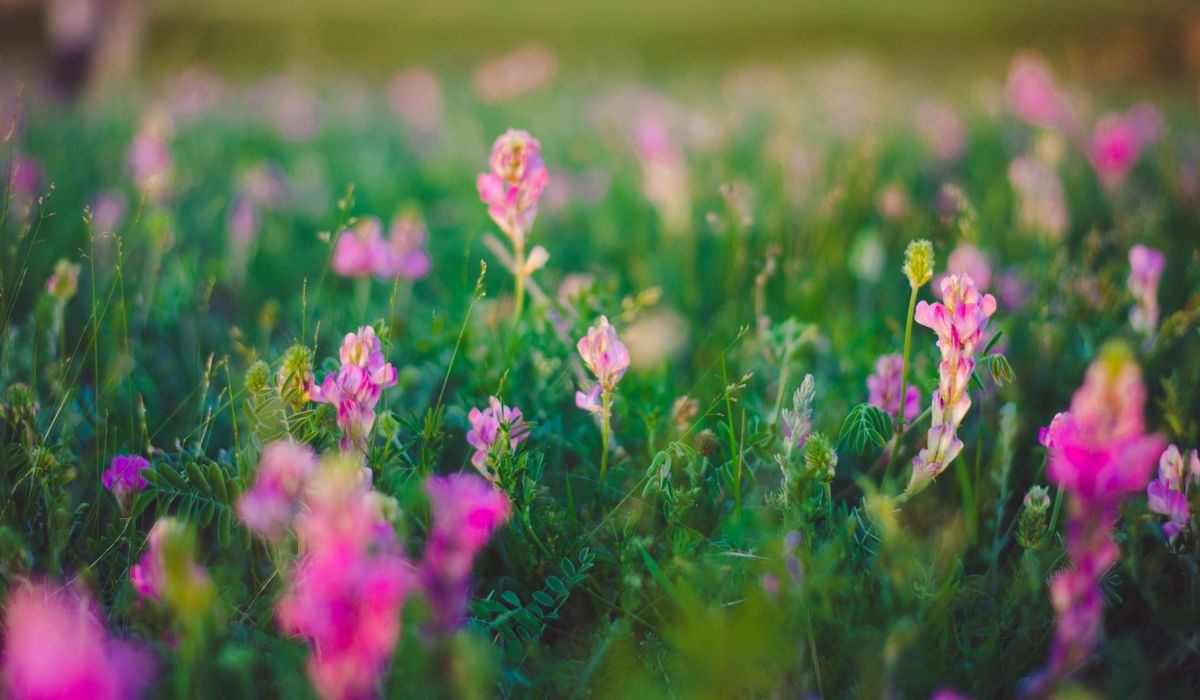
A wildflower meadow is one of the most generous things you can give to bees and butterflies. Unlike a tidy border, it offers quantity as well as variety: dozens of blooms at once, seed heads left standing, tussocky grass for shelter and bare patches for nesting. Even a modest strip at the end of a garden can make a real difference, especially in areas where farmland margins have narrowed and hedgerows have thinned.
The trick is to think like a pollinator rather than a gardener. Bees and butterflies are not looking for a perfect display; they are looking for reliable food, somewhere safe to rest, and a drink. Get those three things right and your meadow will quickly become busy.
Choose Single, Open Flowers
When it comes to feeding insects, simple is best. Double flowers, however pretty, are often bred with extra petals at the expense of stamens and nectaries, so there is little for a bee to reach. Flat, open, daisy-like blooms and short-tubed flowers are far more accessible, particularly for short-tongued bees and small butterflies.
Native and near-native species are the safest bet. They have evolved alongside our insects and tend to be generous with nectar and pollen:
- Oxeye daisy and yarrow for flat, easy landing pads
- Common knapweed and field scabious for long midsummer flowering
- Bird's-foot trefoil and red clover for bumblebees and the common blue butterfly
- Selfheal and betony for a low-growing, long-lasting nectar supply
- Foxglove and purple loosestrife for bumblebees on damp ground
If you want to add a few non-natives, choose single forms of things like hardy geraniums or lavender, and plant them in drifts rather than dotted about. Pollinators work more efficiently when they can move from one bloom to the next without a long flight.
Plan for Nectar Right Through the Season
The most common mistake in a new meadow is a glorious three weeks in June followed by nothing. Bees and butterflies need food from early spring to late autumn, and different species are on the wing at different times. Aim for a rolling succession.
- Early spring: primrose, cowslip, dandelion and lungwort — vital for queen bumblebees emerging from hibernation
- Late spring: red campion, buttercup and early clover
- Midsummer: knapweed, scabious, oxeye daisy, viper's bugloss and meadow cranesbill
- Late summer: teasel, hemp agrimony, marjoram and wild carrot
- Autumn: devil's-bit scabious, asters and the last of the clovers
Seed mixes sold as "wildflower meadow" often concentrate on one flush. Read the species list and top it up with plug plants of late-flowering kinds if you can. A handful of teasel or hemp agrimony will keep red admirals and peacocks fed well into September.
Leave Some Corners Undisturbed
A meadow is not just the flowers above the soil. Many of our solitary bees nest in bare or sparsely vegetated ground, and bumblebees often take up home in old mouse holes or tussocky grass. Butterflies and moths overwinter as eggs, caterpillars or pupae in dead stems, leaf litter and hollow plant stalks.
The simplest way to help is to do less. Set aside a rough corner that never gets cut, strimmed or cleared:
- Leave a patch of tall, tussocky grass standing through winter
- Keep a few old stems uncut until late spring so overwintering larvae can emerge
- Allow a small area of bare, sunny soil for ground-nesting bees
- Stack any prunings or logs nearby rather than burning them
Even a square metre or two of scruffy habitat will be used. It is the single cheapest improvement you can make.
Provide Shallow Water and Damp Ground
Bees need water, but they cannot swim. A deep pond or a steep-sided bird bath is a hazard. What works is something shallow with plenty of landing places: a saucer of water filled with pebbles, a sunken tray, or a damp hollow in the meadow that holds moisture through summer.
Butterflies take minerals from damp soil in a behaviour called mud-puddling, so a permanently damp patch — even a small one beside a downpipe or in light shade — is genuinely useful. Top up your bee drinker every few days in hot weather, and keep it out of deep shade so insects can find it easily.
Manage the Cut with Pollinators in Mind
How and when you cut matters as much as what you plant. A meadow cut all at once in midsummer is a famine for weeks afterwards. Stagger the work instead.
- Cut the main meadow in late July or August, once most flowers have set seed
- Leave the cuttings for a day or two so creatures can move, then remove them — this keeps fertility down and stops grass swamping the flowers
- Cut a second, smaller section in late autumn or leave it until spring for overwintering insects
- Never cut the whole meadow in one go, and always leave the rough corner alone
Cut on a warm, dry afternoon when bees are active and can relocate, and avoid the early morning when butterflies are still roosting in the grass. A little patience at cutting time is what keeps a meadow rich year after year.
tag: Garden Wildlife

Freya Ashcombe Author
Use old canes, hollow stems, and loose bark to create overwintering spots for solitary bees and beetles in a quiet corner.
YOU MAY ALSO LIKE
Building a Simple Bug Hotel from Garden Waste
Jul 28
10A mixed native hedge offers food, nesting sites, and safe passage for birds, small mammals, and insects across the countryside.
read more
Hedgerows and Field Margins as Wildlife Corridors
Jul 26
10Choose a short circular route, check the weather, and pack water, a map, and sturdy shoes before setting out.
read moreMeadow Making
-

ERRIC CATONA
Know the difference between public footpaths, bridleways, and open access land to walk responsibly in Britain and avoid conflicts.
May 19, 2016 at 5.12 pm
Reply
ERRIC CATONA
Listen for skylarks, meadow pipits, and yellowhammers while walking quietly along field edges at dawn in spring and summer.
May 19, 2016 at 5.12 pm
Reply -
ERRIC CATONA
A sharp sickle, sturdy rake, and long-handled scythe make light work of cutting and clearing small meadows by hand.
May 19, 2016 at 5.12 pm
Reply
Wildflowers
Your email address will not be published.