
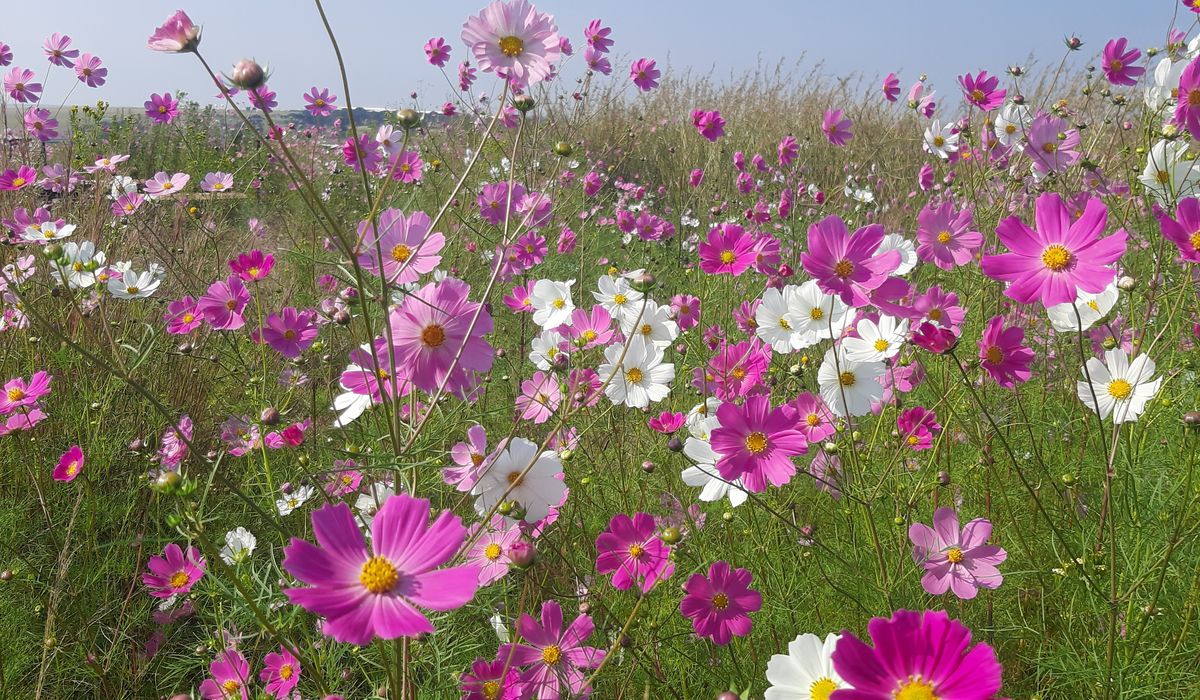
Preparing Ground for Meadow Sowing in Autumn
Why Autumn Is the Meadow Gardener's Secret Weapon
Sowing a meadow in autumn can feel like a gamble against the coming cold, but it is usually the kinder choice. The soil is still holding the summer's warmth, the air is cooling, and rain arrives more reliably than it does in April. That combination gives seeds the one thing they cannot be rushed into: time to put down roots before winter.
There is a botanical reason too. Many of our best native meadow plants — yellow rattle, meadow buttercup, ox-eye daisy, selfheal — need a spell of cold, damp conditions before they will germinate properly. Sow them in autumn and the winter does that work for you. Sow them in spring instead and you may wait months, or lose the lot to a dry May.
Autumn sowing also steals a march on weeds. Annual weed seeds germinate less enthusiastically as light levels drop and temperatures fall, so your wildflowers face less competition in those crucial first weeks.
Read the Ground Before You Lift a Fork
Meadows are made by soil conditions as much as by seed. Before doing anything, spend a week simply watching and testing your patch.
- Light: wildflower meadows need at least six hours of direct sun in midsummer. Dappled shade under a mature oak will give you a woodland edge, not a meadow.
- Fertility: the enemy of meadow diversity is richness. Dense nettles, docks, cow parsley and rye grass all shout "too much nitrogen". Fine grasses, sheep's fescue, wild thyme and harebells suggest poorer ground, which is exactly what you want.
- Soil type and pH: most meadow mixes prefer a pH of about 5.5 to 7.5. Heavy clay needs earlier sowing and more patience; free-draining sandy or chalky ground is far more forgiving.
- Size: measure properly. Standard wildflower seed rates run from roughly 1.5 to 4 grams per square metre, so a 100 square metre patch needs somewhere between 150g and 400g of seed. Order before you clear the ground, not after.
Clearing: The Unglamorous Business
Almost every failed meadow begins with inadequate weed control. Perennial weeds such as creeping thistle, bindweed, dock and couch grass will walk straight through a newly sown sward and smother it within a season.
There are three workable routes:
- Smothering: lay black polythene or a thick light-excluding mulch over the area from late spring through to August. It is slow but chemical-free and effective on most perennials.
- Repeated cultivation: fork or rotavate, then let the ground green up, then cultivate again every three to four weeks over a summer. Each pass kills another generation of weed seed.
- Systemic weedkiller: applied to actively growing perennials in high summer, followed by a fortnight or more before cultivation. If you take this route, follow the label precisely and leave a proper interval before sowing.
On ground that has been heavily fed or manured for years, stripping 5 to 10cm of topsoil is sometimes the only honest solution. It feels brutal. It also works.
Making a Seedbed — or Deliberately Not
The traditional approach is to cultivate to about 10 to 15cm, firm the ground, then rake to a fine tilth. Do this three or four weeks before sowing and you create a stale seedbed: the weed seeds you exposed germinate, and you hoe them off before they set seed.
On thin, poor or stony ground, consider the low-till alternative. Cut the existing sward as short as you can, scarify or rake hard until you have patches of exposed soil, and sow directly into those gaps. It suits small gardens, slopes and awkward corners, and it disturbs less dormant weed seed.
Whichever route you take, firmness matters more than fineness. Tread the bed or roll it before sowing. Roots need contact with soil, not air pockets.
Mixing Seed and Sowing Day
Wildflower seed is expensive and light, which makes it difficult to distribute evenly. Bulk it out with dry silver sand or sharp sand at roughly ten parts sand to one part seed by volume, and mix thoroughly in a bucket.
Choose a still day. Broadcast by hand in two passes, the second at right angles to the first, walking backwards so you do not tread on sown ground. Aim to sow shallowly — no more than 5mm deep — then lightly rake and roll or tread again. Do not bury the seed; it needs light to germinate.
In most of the UK, late August to mid-October is the sweet spot. Sow earlier in the north and on heavy clay, later on light, free-draining soils in the south. If you want first-year colour, add a small proportion of cornfield annuals such as cornflower, poppy and corn marigold, but keep them to no more than a fifth of the mix or they will dominate.
After Sowing: What to Expect Before Spring
Very little, and that is normal. The visible growth happens underground, as roots thicken and anchor before the frosts arrive. Resist the urge to feed, mulch or fuss.
- Water only if you get two to three weeks of unusually dry weather after sowing.
- Expect losses to slugs, mice and seed-eating birds. This is factored into the seed rate.
- Do not cut until the following July or August, once the flowers have set and dropped seed. Cut to 5 to 7cm and always remove the cuttings — leaving them behind feeds the soil and undoes your hard work.
- Let yellow rattle set seed in its first year if you want it to establish; it is your best long-term tool for keeping grasses in check.
A meadow is a three-to-four-year project, not a one-season wonder. The autumn you spend preparing the ground properly is the single biggest factor in how it turns out. Get that right, and the rest is mostly patience and a sharp pair of shears.
tag: Meadow Making

Eleanor Bramley Author
Learn to identify ox-eye daisies, red clover, and yellow rattle by leaf shape, flower form, and habitat on your local patch.
YOU MAY ALSO LIKE

Spotting Common Wildflowers on a Summer Walk
Sep 9
10This semi-parasitic annual reduces vigorous grasses, making room for delicate wildflowers in a new meadow. Sow it fresh in autumn.
read more
Growing Yellow Rattle to Weaken Grass
Sep 6
10Wait for dry seed heads, collect on a sunny afternoon, and store in paper bags away from damp.
read moreMeadow Making
-

ERRIC CATONA
Crested dogstail, sweet vernal grass, and meadow foxtail offer structure and food for insects without dominating a small plot.
May 19, 2016 at 5.12 pm
Reply
ERRIC CATONA
Snowdrops, snakeshead fritillary, and wild garlic bring life to damp corners before trees fully leaf in spring each year.
May 19, 2016 at 5.12 pm
Reply -
ERRIC CATONA
Mix field scabious, betony, and wild marjoram with traditional cottage flowers for a relaxed, pollinator-friendly border in any garden.
May 19, 2016 at 5.12 pm
Reply
Wildflowers
Your email address will not be published.