
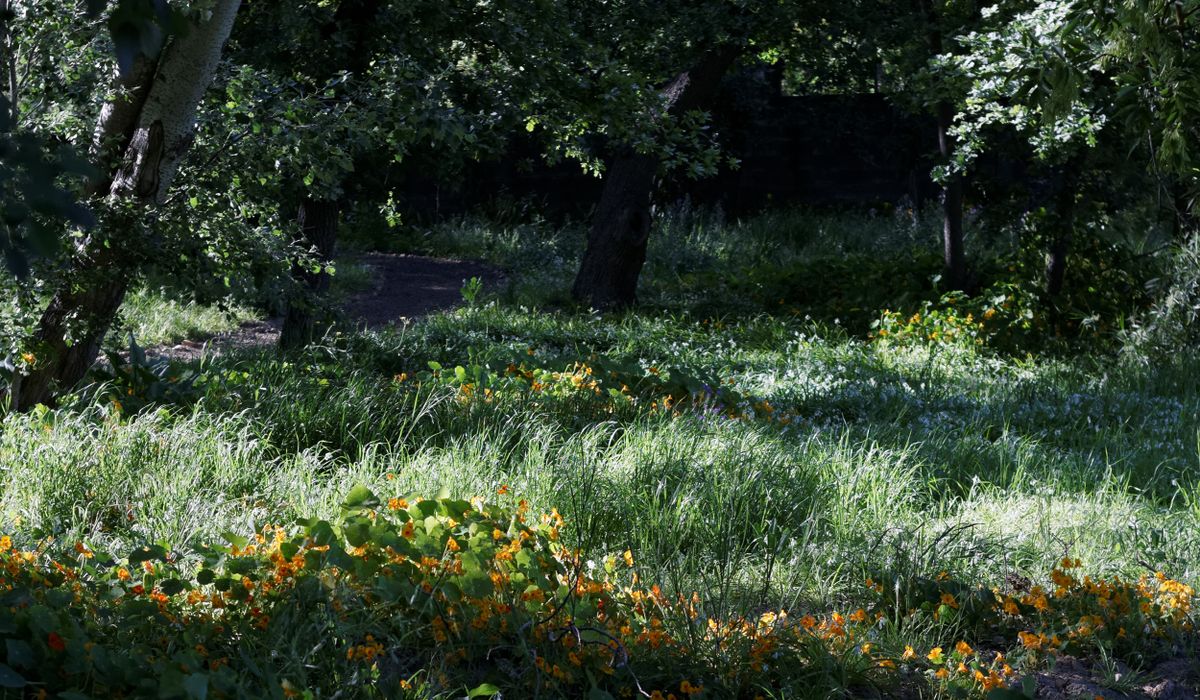
Summer Meadow Management Without Overcutting Grass
Read the Meadow, Not the Calendar
The single most useful thing you can learn about a wildflower meadow is that it is not a lawn. It does not want weekly attention, a neat finish or a feed. What it wants is one decisive cut a year, taken at the right moment, with everything you remove taken away with it.
Most traditional British hay meadows were cut once, in late July or early August, after the flowers had set seed and the grasses had dried off. On light chalky soils, that might be a fortnight earlier; on heavy clay, a week or two later. The rule of thumb is simple: cut after the majority of your key flowers have shed their seed, but before the grasses collapse. Leave it too long and rank growth lodges, creating a damp mat that smothers the little rosettes of cowslip, knapweed and orchid beneath.
Why Removing Clippings Matters More Than Cutting
Wildflowers are not fussy plants — they are plants that cope with poverty. A meadow's diversity depends on low soil fertility, particularly low available nitrogen and phosphorus. Every year that you cut and leave the cuttings, those nutrients return to the soil and the balance tips towards the thugs: rye-grass, cocksfoot, nettles and cow parsley.
Cutting alone only tops the growth. Cutting and removing is what actually starves the grasses and gives the delicate things room. It mimics centuries of haymaking and light grazing, and it is the difference between a meadow and a patch of long grass.
Signs That the Seed Has Set
Rather than watching the date, watch the plants. A few indicators worth knowing:
- Ox-eye daisies have lost their petals and the heads have turned brown and dry.
- Yellow rattle seed capsules rattle when you shake them — a clear sign the seed is ripe.
- Common knapweed and field scabious have browned off and the seed is loose in the head.
- Buttercups have dropped their petals and the seed heads feel gritty between your fingers.
- Grass stems are starting to dry and stiffen rather than springing back when walked on.
If you are unsure, take a seed head in your palm and rub it gently. If seed falls away easily, it is ready. If it clings, give it a few more days.
One Cut, Done Properly
Set your cutting height carefully. Aim for 5–10cm (2–4 inches), never scalping down to the soil. The growing points and leaf rosettes of many meadow perennials sit low, and a close shave in July can knock them back for years. Raise the deck on a mower, or work with a strimmer or brushcutter held level and steady.
Choose a dry spell with at least three or four dry days forecast. Cutting wet growth makes heavy, claggy material that is hard to rake and slow to dry. Work in strips across the meadow rather than spiralling round it, and leave 10–20% uncut as a refuge for insects, caterpillars and small mammals. Rotate which strip you leave each year so no patch is permanently ungrazed.
Leave the cut material lying where it falls for two or three days so any remaining seed can drop back into the sward. In wet weather, skip this and clear it straight away.
Clearing the Hay — and Why Speed Matters
Once the seed has dropped, get the material off. Rake it into rows with a hay rake or a spring-tined rake, then fork it onto a tarpaulin or into a barrow. On larger plots, a hay bob or tedder speeds things up enormously, but a steady hour with a rake on a warm evening is one of the great pleasures of countryside gardening.
A few practical points:
- Never leave piles sitting on the meadow — they kill everything underneath within weeks.
- Stack the hay somewhere out of the way and let it rot down for a year before using it as mulch.
- Do not compost it on the meadow itself, and never spread it back as a top dressing.
- If you garden on a small scale, empty a collector box frequently rather than letting clippings carpet the ground.
Keeping It Going Year After Year
After the main cut, let the meadow regrow. A light autumn tidy in late September or October — again at 5–10cm, again with clippings removed — keeps things open without undoing the summer's work. If growth is very rank and your soil is rich, expect to mow twice a year for the first three to five years while fertility drops.
Autumn is also the moment to help the sward along. Yellow rattle needs bare, cool ground to germinate, so scarify a few small patches with a rake in September and scatter seed. Plug plants of knapweed, betony and salad burnet establish well if planted into gaps while the soil is still warm. And keep the faith on fertility: no fertiliser, no weedkiller, no clippings, no bonfire ash.
The commonest mistakes are all ones of enthusiasm — cutting too short, cutting too often, cutting too early, and leaving the arisings in place. Get those four right and you will be rewarded with a meadow that gets richer, more colourful and more alive with every passing summer.
tag: Seasonal Care

Michael Thorne Author
Late summer or early autumn cutting prevents rank growth, but leave some areas uncut for seed heads and shelter.
YOU MAY ALSO LIKE
Autumn Cutting and Clearing for Wildflower Plots
Aug 3
10Leave undisturbed corners, provide shallow water, and choose open flowers that offer nectar through the growing season for pollinators.
read more
Encouraging Bees and Butterflies to Your Meadow
Aug 1
10Use old canes, hollow stems, and loose bark to create overwintering spots for solitary bees and beetles in a quiet corner.
read moreMeadow Making
-

ERRIC CATONA
A mixed native hedge offers food, nesting sites, and safe passage for birds, small mammals, and insects across the countryside.
May 19, 2016 at 5.12 pm
Reply
ERRIC CATONA
Choose a short circular route, check the weather, and pack water, a map, and sturdy shoes before setting out.
May 19, 2016 at 5.12 pm
Reply -
ERRIC CATONA
Know the difference between public footpaths, bridleways, and open access land to walk responsibly in Britain and avoid conflicts.
May 19, 2016 at 5.12 pm
Reply
Wildflowers
Your email address will not be published.